
Free Consultations
815-744-2500

Will Refusing the Breath Test Hurt My DUI Case?
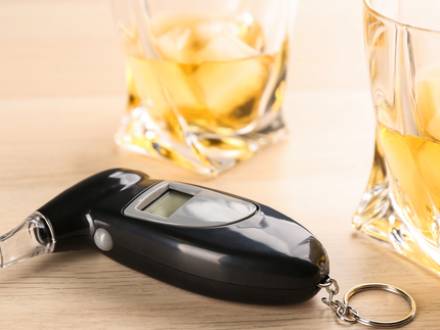 Refusing a breath test can hurt your DUI case in some ways and help it in others. It triggers an automatic license suspension. But it also removes a piece of evidence prosecutors might otherwise use against you.
If you're dealing with a DUI charge in 2026, our Will County DUI defense lawyer can help you understand how this decision affects your specific case. Attorney Eric Blatti brings over 15 years of criminal law experience to these cases.
What Happens to Your License if You Refuse a Breath Test?
Under 625 ILCS 5/11-501.1, Illinois follows an implied consent law. This means that drivers are considered to have agreed to chemical testing after a qualifying DUI arrest. Refusing the test can lead to a statutory summary suspension of your driving privileges. The suspension takes effect on the 46th day after you receive notice.
Different rules apply if the refusal involves a crash that caused a serious injury or death to another person. In that situation, the refusal can result in a statutory summary revocation instead of a suspension. These license consequences are separate from the outcome of the criminal DUI case.
Why Does Refusing Result in a Longer Suspension Than Failing?
Illinois law is designed to encourage compliance with chemical testing. This is why the penalty for refusing is often more severe than the penalty for failing. Lawmakers structured these penalties this way to discourage drivers from refusing simply to avoid providing evidence against themselves. This creates a difficult decision, though, for someone unsure of their exact blood alcohol level at the time.
Can Prosecutors Still Use Your Refusal Against You in Court?
Prosecutors can use the fact that you refused chemical testing as evidence in a DUI case. Illinois law allows evidence of a refusal to be admitted in court. Prosecutors may argue that the refusal shows that you believed the test could hurt your case.
A refusal may prevent police from getting the specific breath-test result they requested. However, it does not always mean there will be no chemical evidence. Police may be able to obtain a search warrant for another type of test in some cases.
Prosecutors may also rely on officer observations, field sobriety test results, video footage, and other evidence of impairment.
Does Refusing Guarantee You Can't Be Convicted?
Refusing doesn't guarantee an acquittal or dismissal of your DUI charge. Illinois law allows a DUI conviction based on evidence of impairment even without a chemical test result. This means prosecutors can still secure a conviction using officer testimony, dashcam footage, and other observed signs of intoxication.
The decision to refuse should be weighed carefully because of this. It removes one piece of potential evidence but doesn't eliminate the possibility of conviction based on other available evidence.
What Are the Benefits of Not Taking a Breath Test During a DUI Stop?
Despite the automatic license suspension, some benefits can come from refusing chemical testing. Common benefits include:
- Removing a specific, objective BAC number that could be difficult to challenge in court
- Forcing prosecutors to rely on potentially less compelling subjective evidence
- Creating an opportunity to challenge the officer's observations and field sobriety test administration
- Potentially limiting the prosecution's ability to prove impairment beyond a reasonable doubt
These benefits need to be weighed against the longer automatic license suspension that comes with refusal. This decision often depends heavily on your specific circumstances at the time of the stop.
Can You Challenge the License Suspension From a Breath Test Refusal?
You generally have the right to request a hearing to challenge your statutory summary suspension. This must typically be requested within a specific timeframe after your arrest, though. This hearing focuses specifically on the suspension itself. It's separate from your underlying criminal DUI case.
Challenging the suspension can sometimes reveal weaknesses in how the traffic stop or arrest was conducted. This may also benefit your defense in the criminal case itself.
Call Our Joliet, IL DUI Defense Attorney for a Free Consultation
As a local attorney to the Joliet area, Attorney Eric Blatti brings valuable experience from his time working as a public defender, along with strong relationships with local attorneys and judges throughout the community. This background gives him unique insight into how these cases are handled locally, which he uses to build effective defense strategies for his clients.
Contact The Law Office of Eric J. Blatti, P.C. at 815-744-2500 to talk to our Will County DUI defense lawyer today.

Free Consultations 815-744-2500